Scoliosis Chiropractor Newcastle
Spine Curves
Expert Scoliosis Assessment and Supportive Care in Newcastle
A scoliosis chiropractor in Newcastle can help if you or your child has recently been diagnosed with scoliosis, or you’ve noticed changes in posture or spinal alignment that feel concerning, it can feel overwhelming and uncertain.
At Family Life Chiropractic, our experienced scoliosis chiropractor Newcastle team provides professional scoliosis assessment and supportive chiropractic care for children, adolescents, and adults across Newcastle and Lake Macquarie.
We have a special interest in scoliosis, spinal posture, and spinal curvature assessment, helping families better understand scoliosis progression, monitoring, and long-term spinal health.
Early detection is especially important during growth phases in children and teenagers, when scoliosis curves may progress more quickly. Visiting a scoliosis chiropractor Newcastle families trust can help provide early assessment, monitoring, and professional guidance during important growth phases. With appropriate assessment and ongoing monitoring, families can feel more informed, supported, and confident throughout the scoliosis journey.
What is a Scoliosis?
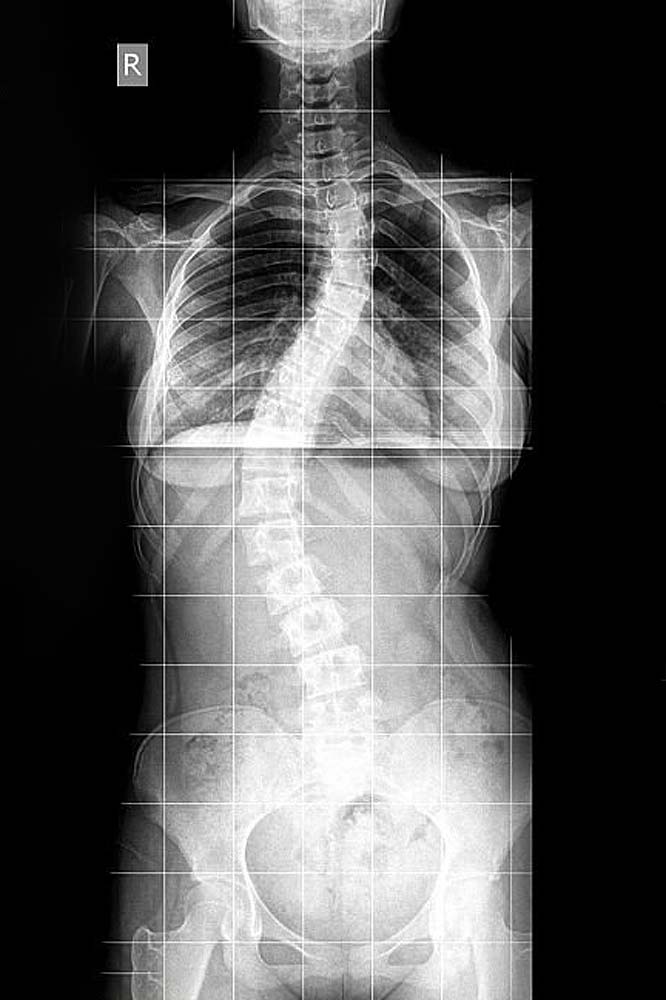
Scoliosis is a condition where the spine develops an abnormal sideways curve when viewed from behind. In some cases, the spine may also rotate, leading to visible postural changes and asymmetry throughout the body.
A healthy spine should appear relatively straight when viewed from the back while maintaining gentle natural curves when viewed from the side. With scoliosis, the spine may curve into an “S” or “C” shape and may gradually progress over time.
Scoliosis can affect children, adolescents, and adults, although it is most commonly identified during periods of rapid growth during adolescence.
Common areas affected may include:
- The shoulders
- Shoulder blades
- Rib cage
- Waistline
- Hips
- Overall posture and balance
In some individuals, scoliosis remains mild and stable, while in others the spinal curvature may progress during growth phases or later in adulthood.
There are several different types of scoliosis, including Adolescent Idiopathic Scoliosis (the most common form), congenital scoliosis (present from birth), neuromuscular scoliosis (associated with neurological or muscular conditions), and degenerative scoliosis (which develops later in adulthood due to spinal wear and tear).

What is Adolescent Idiopathic Scoliosis (AIS)?
The most common form of scoliosis is Adolescent Idiopathic Scoliosis (AIS). This type of scoliosis typically develops between the ages of 10 and 18 during periods of accelerated growth and puberty.
“Idiopathic” means the exact cause is unknown. While no single cause has been identified, research suggests genetic factors may contribute to spinal development and scoliosis progression.
AIS is significantly more common in females, with girls being more likely to develop progressive curves requiring monitoring or intervention.
Because scoliosis often develops gradually and without pain, many cases initially go unnoticed until visible postural changes become more obvious. It often begins subtly but may progress more rapidly during periods of rapid growth, making early detection particularly important during adolescence. Adolescent scoliosis is one of the most commonly diagnosed forms of spinal curvature, often identified during growth spurts in teenagers. For a more detailed overview of signs, symptoms, and management strategies, you can read our dedicated article on adolescent scoliosis Newcastle.
The most common form of scoliosis is Adolescent Idiopathic Scoliosis (AIS). It typically develops between the ages of 11 and 15, often around the onset of puberty. AIS affects up to 5% of children aged 10 to 18, and is significantly more common in females, who account for approximately 90% of cases.
Common Signs and Symptoms of Scoliosis
Early signs of scoliosis can sometimes be subtle, particularly during rapid growth phases. Parents are often the first to notice small changes in posture or body symmetry.
Common scoliosis signs and symptoms may include:
- Uneven shoulders
- One shoulder blade protruding more than the other
- Uneven hips
- Uneven waistline
- Leaning to one side
- Rib prominence
- Rotational changes through the spine
- Poor posture
- Clothing sitting unevenly
- Back discomfort or muscular fatigue
- Changes in walking posture or balance
In many children, scoliosis may not initially cause pain, which is why regular observation and early scoliosis screening can be extremely important. If you notice these signs, a scoliosis chiropractor Newcastle clinic can provide a detailed spinal and posture assessment.

Scoliosis in Children and Teenagers
Scoliosis most commonly develops during adolescence when the body is growing rapidly. During these growth spurts, spinal curves can progress quickly, sometimes over relatively short periods of time.
Early detection and monitoring are incredibly important because children who are still growing often have the greatest opportunity for early management and intervention. Many cases of scoliosis are first identified by parents noticing subtle posture changes at home. Our article on signs of scoliosis in children explains some of the most common early indicators.
At Family Life Chiropractic, we encourage parents to become familiar with their child’s posture and spinal alignment so that changes can be identified early.
Parents may notice:
- One shoulder sitting higher than the other
- Uneven hips
- One shoulder blade appearing more prominent
- Asymmetrical posture
- Leaning through the trunk
- Uneven clothing fit
- Visible spinal curvature
If scoliosis runs in your family, monitoring your child’s spine may be especially important, as there may be a hereditary component. A scoliosis chiropractor Newcastle assessment may help identify spinal curve progression early during growth spurts.
Because school scoliosis screening programs are no longer widely available, parents often play a critical role in early detection. A scoliosis screening in Newcastle by an experienced health professional can provide clarity, early detection, and peace of mind.

Why Early Detection Matters
Early detection of scoliosis can play an important role in managing spinal health. Identifying a curve in its early stages allows for closer monitoring before significant progression occurs and may increase the opportunity for more conservative management approaches where appropriate. It can also help reduce the risk of worsening spinal curvature and support better long-term spinal health outcomes.
Scoliosis progression often accelerates during puberty and periods of rapid growth, when the spine is developing most quickly. During colder months, heavier or layered clothing can also make subtle postural changes harder to notice, potentially delaying identification.
Even when scoliosis is not present, a professional spinal assessment can provide valuable reassurance for parents and help establish a clear baseline for a child’s posture and spinal development. Many families choose to consult a scoliosis chiropractor Newcastle provider when they first notice uneven posture or spinal asymmetry.
Parents often ask how to recognise scoliosis early. Learn more in our guide on How To Tell If Your Child Has Scoliosis: 5 Early Signs Parents Should Know.
How is Scoliosis Diagnosed?
Your scoliosis chiropractor Newcastle assessment typically involves a detailed evaluation of posture, spinal alignment, movement, and body symmetry.
At Family Life Chiropractic, scoliosis assessment may include:
- Detailed health history
- Postural assessment
- Spinal examination
- Range of motion testing
- Adam’s Forward Bend Test
- Scoliometer measurements
- Neurological assessment where appropriate
- Referral for imaging if clinically indicated
If imaging is required, X-rays may be used to assess spinal curvature and measure the Cobb angle, which helps determine the severity of scoliosis and monitor progression over time.
Scoliosis Curve Severity (Cobb Angle Classification)
Scoliosis severity is commonly classified using Cobb angle measurements:
- Mild scoliosis (10°–20°)
Small spinal curve, often monitored over time. May have minimal or no symptoms. - Moderate scoliosis (20°–40°)
More noticeable spinal curvature, may show postural changes such as uneven shoulders, ribs, or hips. - Severe scoliosis (40°–60°+)
Significant spinal curvature that may affect posture, balance, and in some cases physical function. Often requires closer monitoring or specialist management.
Because children grow at different rates, skeletal maturity is often more important than chronological age when assessing scoliosis progression risk. Growth spurts can increase the likelihood of curve progression, which is why early detection and regular monitoring are important.

Our Expert Approach to Scoliosis
At Family Life Chiropractic, we take a thorough, personalised, and compassionate approach to scoliosis care, supporting patients and families with clear guidance and professional care at every stage.
We understand that concerns about scoliosis can feel overwhelming. Our focus is to provide clarity, reassurance, and a calm, supportive environment where every patient is carefully assessed and heard.
During your consultation, we take the time to fully understand your concerns, review any postural or spinal changes you have noticed, and complete a detailed assessment of spinal alignment, movement, and overall function. Where appropriate, we may also discuss whether further imaging or assessment is required, and clearly explain all management and monitoring options available.
Our care is centred on supporting optimal spinal health by focusing on spinal function, postural balance, joint mobility, muscular balance, and nervous system function. We aim to support not only how the spine looks, but how it moves and functions in everyday life.
Each care plan is individually tailored, taking into account age, stage of growth, spinal presentation, symptoms, and overall health needs, with the goal of supporting both short-term comfort and long-term spinal health outcomes.
Multi-Disciplinary Scoliosis Care
In some cases, a collaborative and multi-disciplinary approach may provide the best outcomes.
At Family Life Chiropractic, we work closely with a trusted network of healthcare professionals, scoliosis rehabilitation providers, and spinal specialists to help ensure patients receive appropriate assessment and support.
Where clinically appropriate, referral for advanced scoliosis management or bracing may be recommended. We may also collaborate with dedicated scoliosis clinics such as ScoliCare in Sydney, which specialises in non-invasive scoliosis management and advanced bracing solutions. In some cases, if scoliosis is left unmanaged, it may progress to a stage that requires surgical intervention.
This collaborative approach helps ensure patients and families have access to a broad range of professional support and management options.
Bracing for Adolescent Scoliosis
For some adolescents with progressive scoliosis curves, bracing may be recommended as part of a non-surgical management approach during growth years. Scoliosis bracing is typically considered when a teenager is still growing and there is concern that the spinal curve may continue to progress over time. The primary aim of bracing is usually to help slow or prevent further curve progression during adolescence.
Modern scoliosis braces are commonly custom-designed to fit the individual’s spinal curve pattern, body shape, and stage of growth. Research and clinical approaches outlined by ScoliCare emphasise that bracing is often combined with scoliosis-specific exercises, posture rehabilitation, and ongoing monitoring to support the best possible outcomes. Treatment recommendations are generally based on factors including Cobb angle measurement, growth potential, curve progression, and overall spinal balance.
Early scoliosis identification is important because bracing is generally considered most effective while significant spinal growth remains. The diagram below outlines some of the spinal joint and growth mechanisms believed to contribute to the development and progression of adolescent idiopathic scoliosis.

Home Scoliosis Screening
For families wanting a simple and convenient way to monitor posture and spinal changes at home, ScoliScreen is a free web-based scoliosis screening tool developed in partnership with Macquarie University (Australia) and supported by independent research. Home monitoring tools can complement assessment by a scoliosis chiropractor Newcastle families rely on for ongoing spinal monitoring.
ScoliScreen allows parents to regularly assess posture and spinal symmetry in growing children from the privacy of home, helping to identify potential changes that may benefit from professional assessment. This can be particularly useful during key growth periods, when scoliosis changes may develop or progress more rapidly.
You can also learn more about how to identify scoliosis in children by reading our guide for parents covering common early warning signs.
While home screening can be a valuable supportive tool for ongoing monitoring, it is important to understand that it does not replace a professional spinal evaluation. If any concerns are identified, a comprehensive assessment by a qualified practitioner is recommended to ensure accurate diagnosis and appropriate care.

Why Choose a Scoliosis Chiropractor Newcastle
Depending on several factors, including the degree and type of curvature, we may recommend a multi-disciplinary approach to ensure the best possible outcomes. At Family Life Chiropractic, we have access to a trusted network of health professionals to offer a variety of treatment options tailored to your child’s needs.
In some cases, if scoliosis is left unmanaged, it may progress to a stage that requires surgical intervention. To help avoid this outcome, we work closely with dedicated scoliosis clinics, such as ScoliCare in Sydney, which specialises in non-invasive, advanced bracing solutions for children. This collaborative approach ensures your child receives the most suitable and effective care to manage their condition and reduce the risk of progression.
As a dedicated scoliosis chiropractor Newcastle clinic, we have a special interest and extended training in spinal curvature and scoliosis management. If you’ve noticed any changes in your child’s posture or spinal alignment—or if you simply have concerns—it’s always best to seek professional advice early. We’re here to guide and support you with expert care and compassionate understanding every step of the way. Book online to have your spine assessed and discuss your concerns.
Frequently Asked Questions (FAQs) – Scoliosis Chiropractor Newcastle
Can scoliosis get worse over time?
Yes, scoliosis can worsen (progress) over time. This is most common during periods of rapid growth in adolescence, when spinal curves may increase quickly. In adults, scoliosis may also progress gradually due to age-related degeneration of the spinal joints and discs. Regular monitoring is important to track changes in the spinal curve.
Does scoliosis always cause pain?
No, scoliosis does not always cause pain. Many children and adolescents with scoliosis have no symptoms, especially in the early stages. When pain does occur, it is more commonly reported in adults and may present as stiffness, muscular fatigue, or discomfort due to changes in spinal alignment and muscle loading.
What age does scoliosis usually develop?
The most common form, known as Adolescent Idiopathic Scoliosis, typically develops between the ages of 10 and 18 during periods of rapid skeletal growth. However, scoliosis can also develop in infancy (early-onset scoliosis) or later in adulthood due to degenerative changes in the spine.
How is scoliosis measured?
Scoliosis is measured using the Cobb angle, which is calculated from spinal X-rays. This measurement determines the degree of spinal curvature and is used by healthcare professionals to classify severity and monitor progression over time.
Can chiropractic care help scoliosis?
Chiropractic care provided by a scoliosis chiropractor Newcastle clinic may assist in supporting spinal mobility, posture, and musculoskeletal balance in individuals with scoliosis. Care is typically focused on improving joint function, reducing mechanical stress, and supporting overall spinal health. It is often used as part of a broader, multidisciplinary approach to scoliosis management.
Is scoliosis hereditary?
Research indicates that genetics may play a role in certain types of scoliosis, particularly Adolescent Idiopathic Scoliosis. While no single gene has been identified as the sole cause, individuals with a family history of scoliosis may have a higher likelihood of developing the condition.
Is early detection of scoliosis important?
Yes, early detection is important. Identifying scoliosis early allows for closer monitoring and more conservative management options before significant curve progression occurs. Early screening is especially valuable during childhood and adolescence when the spine is still developing.
Can scoliosis be corrected or reversed?
Scoliosis cannot always be fully reversed, but in many cases it can be managed or improved depending on age, severity, and flexibility of the spinal curve. Early detection during growth stages offers the best opportunity for conservative management and stabilisation of the curve
Can scoliosis get worse in adults?
Yes, scoliosis can progress in adults, particularly due to degenerative changes in the spine such as disc wear, arthritis, and reduced spinal stability over time. A scoliosis chiropractor Newcastle clinic may help support spinal mobility, posture, and ongoing monitoring of spinal curve progression in adults with scoliosis.
What causes scoliosis?
In most cases, the exact cause of scoliosis is unknown and is classified as Adolescent Idiopathic Scoliosis. Other types may be caused by congenital spinal abnormalities, neuromuscular conditions, or age-related degenerative changes in the spine.
How is scoliosis diagnosed?
Scoliosis is diagnosed through a physical examination followed by imaging, usually an X-ray. A healthcare professional will assess posture, spinal alignment, and measure the curve using the Cobb angle to confirm the diagnosis and determine severity.
Can scoliosis get worse over time?
Yes, scoliosis can worsen (progress) over time. This is most common during periods of rapid growth in adolescence, when spinal curves may increase quickly. In adults, scoliosis may also progress gradually due to age-related degeneration of the spinal joints and discs. Regular monitoring is important to track changes in the spinal curve.
Does scoliosis always cause pain?
No, scoliosis does not always cause pain. Many children and adolescents with scoliosis have no symptoms, especially in the early stages. When pain does occur, it is more commonly reported in adults and may present as stiffness, muscular fatigue, or discomfort due to changes in spinal alignment and muscle loading.
What age does scoliosis usually develop?
The most common form, known as Adolescent Idiopathic Scoliosis, typically develops between the ages of 10 and 18 during periods of rapid skeletal growth. However, scoliosis can also develop in infancy (early-onset scoliosis) or later in adulthood due to degenerative changes in the spine.
How is scoliosis measured?
Scoliosis is measured using the Cobb angle, which is calculated from spinal X-rays. This measurement determines the degree of spinal curvature and is used by healthcare professionals to classify severity and monitor progression over time.
Can chiropractic care help scoliosis?
Chiropractic care provided by a scoliosis chiropractor Newcastle clinic may assist in supporting spinal mobility, posture, and musculoskeletal balance in individuals with scoliosis. Care is typically focused on improving joint function, reducing mechanical stress, and supporting overall spinal health. It is often used as part of a broader, multidisciplinary approach to scoliosis management.
Is scoliosis hereditary?
Research indicates that genetics may play a role in certain types of scoliosis, particularly Adolescent Idiopathic Scoliosis. While no single gene has been identified as the sole cause, individuals with a family history of scoliosis may have a higher likelihood of developing the condition.
Is early detection of scoliosis important?
Yes, early detection is important. Identifying scoliosis early allows for closer monitoring and more conservative management options before significant curve progression occurs. Early screening is especially valuable during childhood and adolescence when the spine is still developing.
Can scoliosis be corrected or reversed?
Scoliosis cannot always be fully reversed, but in many cases it can be managed or improved depending on age, severity, and flexibility of the spinal curve. Early detection during growth stages offers the best opportunity for conservative management and stabilisation of the curve
Can scoliosis get worse in adults?
Yes, scoliosis can progress in adults, particularly due to degenerative changes in the spine such as disc wear, arthritis, and reduced spinal stability over time. A scoliosis chiropractor Newcastle clinic may help support spinal mobility, posture, and ongoing monitoring of spinal curve progression in adults with scoliosis.
What causes scoliosis?
In most cases, the exact cause of scoliosis is unknown and is classified as Adolescent Idiopathic Scoliosis. Other types may be caused by congenital spinal abnormalities, neuromuscular conditions, or age-related degenerative changes in the spine.
How is scoliosis diagnosed?
Scoliosis is diagnosed through a physical examination followed by imaging, usually an X-ray. A healthcare professional will assess posture, spinal alignment, and measure the curve using the Cobb angle to confirm the diagnosis and determine severity.